


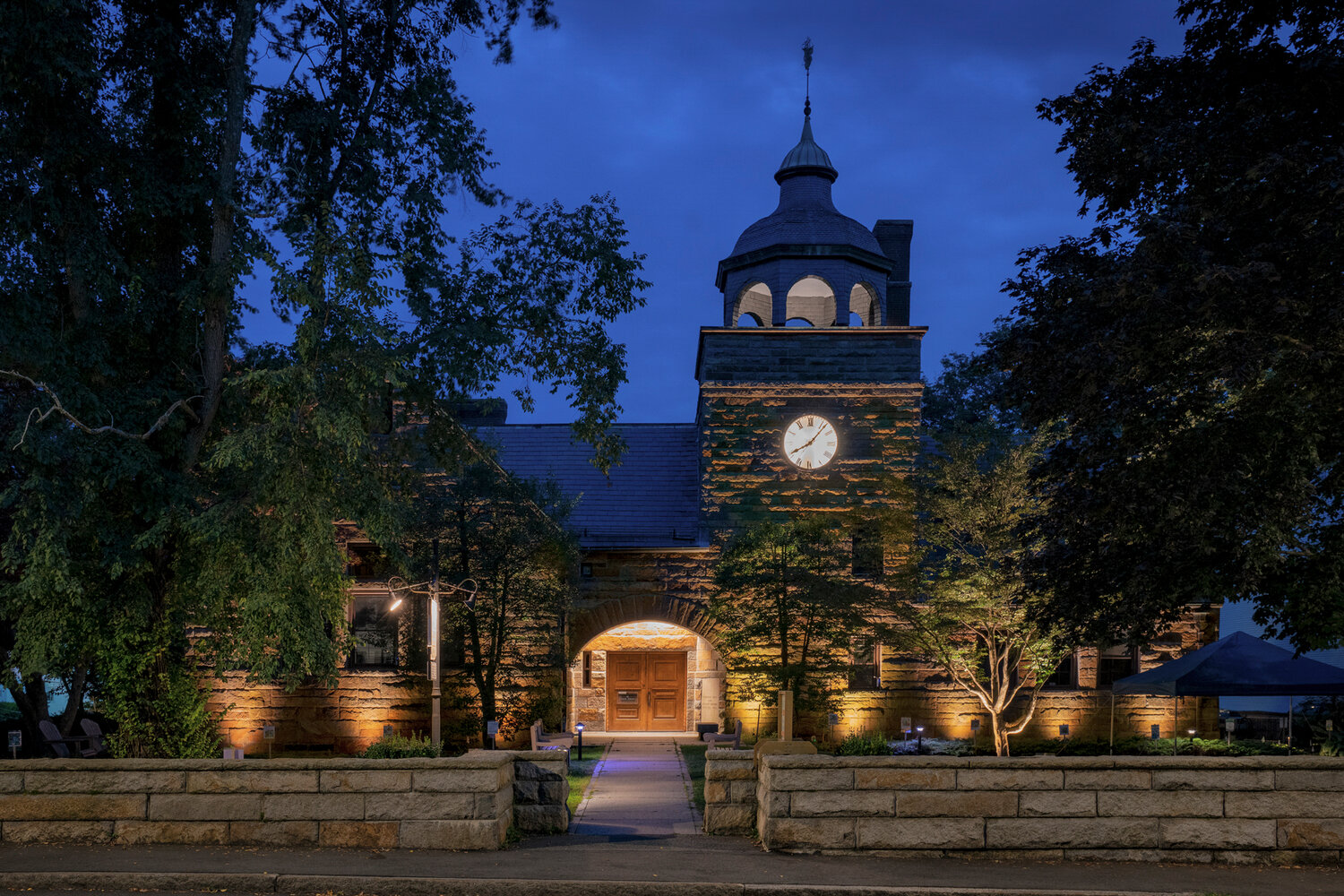


When the Manchester Community Preservation Committee (CPC) kicked off this year’s grant funding cycle at a meeting last week, it marked an important milestone: its 20th anniversary.
It’s hard for people to believe that 20 years ago residents voted to adopt the Community Preservation Act (CPA), the state grant program to fund important but often overlooked local projects connected to open space, historic preservation, affordable housing, and outdoor recreation.
And in the last two decades, more than $7 million in CPA funds—$5 million from local real estate surcharges, and $2 million in matching state money—have funded a wide range of familiar projects. The renovation of Tuck’s Point bathrooms. Rotunda and Chowder House repairs. Improvements to units at The Plains or Newport Park. The renovation of Crowell Chapel. Historical projects at the Manchester by the Sea Museum, the Manchester Public Library, and the First Parish Church Meeting House. The conversion of a skateboard park to public pickleball courts. The preservation of the town’s oldest cemeteries, including identifying one at Kettle Cove that predates the 1661 Cemetery on Summer Street.
And so many more.
Manchester was certainly ahead of the curve. Today, 201 communities—57% of the Commonwealth’s cities and towns—have adopted the CPA.
From the beginning, the committee managing the grant program—composed of representatives from town boards and citizen members—has played a central role in reviewing and recommending projects. The first committee included Jens Kure-Jensen, Joe Sabella, Gary Gilbert, Nina Adams, Bruce MacDonald, and Lars Swanson. Just months after forming, the CPC got busy considering applications to distribute $132,000 in funding—which included $64,000 from local real estate tax surcharge and an additional $66,000 coming from matching state funds.
“Preserving our historic records is a big draw for tourism. Part of the historic piece is preserving the artifacts, municipal buildings, or Town Greens. It’s really vital.”
Some point out that while the CPA has been effective at funding smaller capital projects, it’s less powerful in addressing today’s biggest pressure points—especially in housing. The Manchester Affordable Housing Trust, for instance, currently has approximately $1.5 million in its coffers after years of saving up annual CPC grants. But with housing costs soaring and land prices escalating, critics say the amount of CPA money available each year isn’t sufficient to make a dent without supplemental funding sources.
But that’s the idea, said Roth of the Community Preservation Coalition. CPC funds aren’t designed to supplant regular municipal budget line items. For instance, fixing a sidewalk or maintaining a public building properly belongs in the regular DPW or town operations budget.
And it’s not as if the CPA hasn’t evolved in nearly 25 years. In fact, Roth said, in 2012 the act itself was renovated to allow more flexibility in key pain areas, such as allowing recreational facilities to be renovated. That single change, she said, allowed cities to preserve precious areas of downtown open space if they were connected to recreational facilities. That’s a win-win, she said.
Further, she said, towns like Concord have been crafting projects that offer “twofer” benefits, like adding geothermal heating to the historic Louisa May Alcott House. That preserved an historic treasure while building an off-grid energy system that helps with climate change.


Comments
No comments on this item Please log in to comment by clicking here